Don't Be Fooled: Why You Need CBD Third-Party Testing
By Ben Brockman, Citruslabs Team · Published
Learn how CBD third-party testing works, what a Certificate of Analysis shows, and how independent lab testing helps brands and consumers assess CBD products.
CBD products have surged in popularity, promising a range of benefits from pain relief to improved sleep. However, with this booming market comes the challenge of ensuring product quality and safety. One essential measure for achieving this is CBD third-party testing. In this article, we'll explore why third-party testing is crucial for CBD products, what it entails, and how it protects consumers.
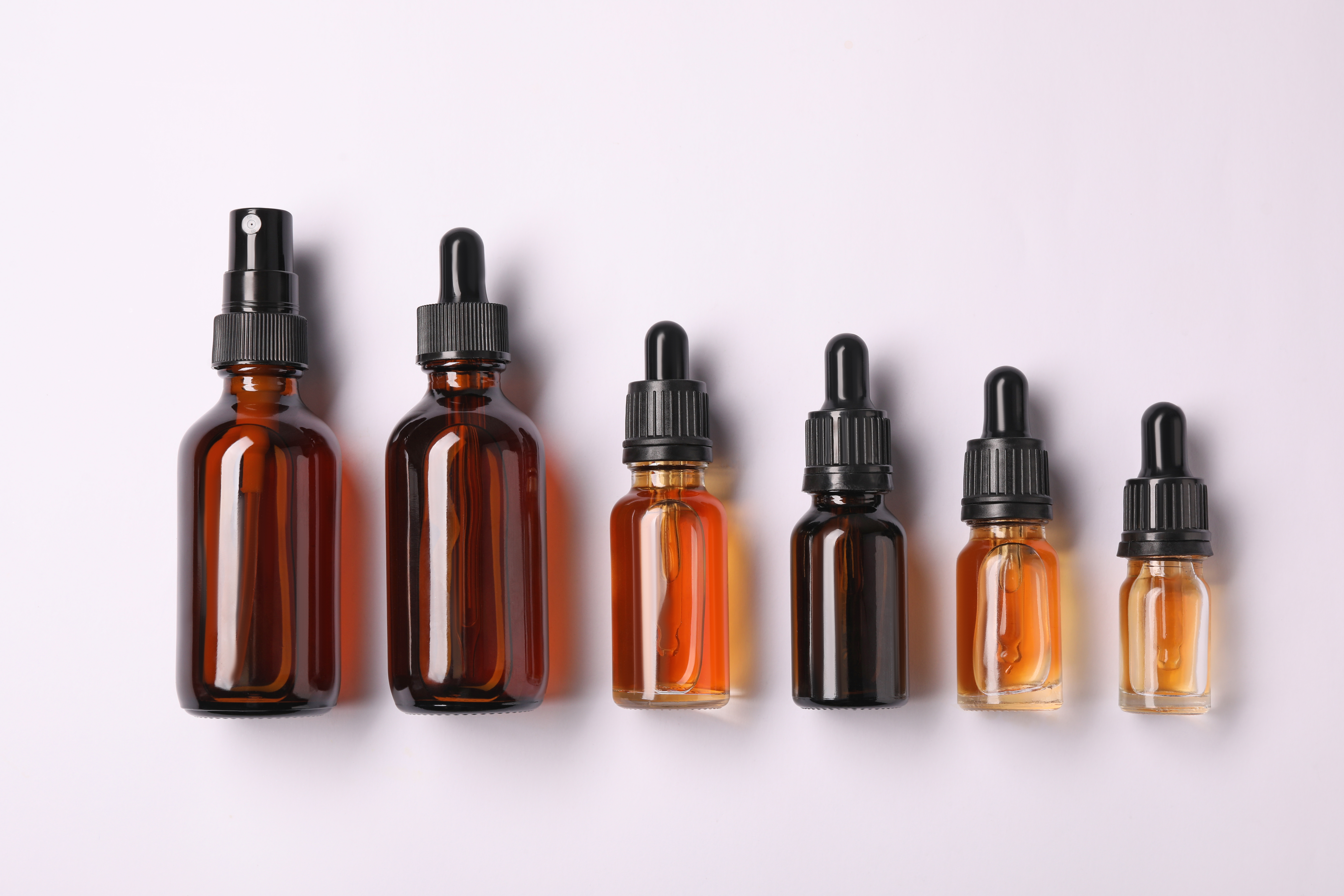
What is CBD Third-Party Testing?
CBD third-party testing involves having an independent laboratory analyze CBD products to verify their contents and ensure they meet quality standards. Unlike in-house testing conducted by the product manufacturers themselves, third-party testing is unbiased and offers consumers a more reliable assessment of the product.
The Importance of CBD Third-Party Testing
Ensuring Product Purity and Potency One of the primary reasons for CBD third-party testing is to verify the purity and potency of the product. Testing ensures that the CBD concentration listed on the label matches the actual content in the product. This verification is crucial because incorrect dosages can lead to ineffective treatment or adverse effects.
Detecting Contaminants CBD products can sometimes contain harmful contaminants like pesticides, heavy metals, and residual solvents used in the extraction process. Third-party testing screens for these contaminants, ensuring that the product is safe for consumption. Without this testing, consumers risk exposure to these potentially harmful substances.
Ensuring Compliance with Legal Limits In many regions, CBD products must contain less than 0.3% THC (the psychoactive component of cannabis) to be legally sold. Third-party testing confirms that products adhere to these legal limits, preventing unintentional consumption of higher THC levels, which could have legal and health implications.
Building Consumer Trust Transparency is key in the CBD industry. By providing third-party test results, companies can build trust with their consumers. This transparency shows that a company is committed to delivering safe, high-quality products, which can significantly enhance its reputation and customer loyalty.
What Is a Certificate of Analysis for CBD?
A Certificate of Analysis, or COA, is a lab report that shows the results of testing performed on a CBD product. It can help consumers and brands check whether the product’s cannabinoid levels and other tested characteristics match expectations.
A CBD COA may include results for CBD and THC levels, along with testing for substances such as heavy metals, pesticides, residual solvents, and microbes. The exact tests included can vary depending on the product, laboratory, and applicable requirements.
For example, if a CBD oil is labeled as containing 1,000 mg of CBD, its lab report can provide data that helps verify the cannabinoid content of the tested sample. Brands may also use batch-specific COAs so that results can be connected to a particular production lot rather than relying on one report for every product made.
For consumers, an accessible and easy-to-read COA provides another layer of transparency. For CBD brands, independent testing can also support quality control and provide evidence behind specific product information.
Third-Party CBD Testing vs. In-House Testing: What Is the Difference?
Third-party CBD testing is performed by an independent laboratory, while in-house testing is performed by the manufacturer or its own team. Independent testing can provide an additional level of verification because the laboratory is separate from the company selling the product.
Both types of testing can play a role in product development and quality control. In-house testing may help a brand monitor products during development or production, while third-party testing can independently check the finished product.
Third-Party Testing | In-House Testing |
|---|---|
Conducted by an independent laboratory | Conducted by the manufacturer or its internal team |
Provides independent verification | Useful for internal quality checks |
May produce a COA that can be shared with consumers | Results may primarily be used internally |
Can test cannabinoid content and selected contaminants | Testing scope depends on the brand's capabilities |
When Should Brands Use Third-Party CBD Testing?
Third-party testing can be useful when a CBD brand wants independent data about a product’s composition or quality. It is especially relevant before sharing product information with consumers, evaluating a new formulation, or generating evidence to support carefully worded product claims.
For example, a brand launching three CBD products might test each formulation and production batch rather than assuming that one result represents the full product line. This gives the company more specific information about what was actually tested.
Clinical research and consumer studies can then answer different questions. While laboratory testing examines the product itself, human studies can help brands understand how people experience or respond to a product under a defined study protocol.
When Should Brands Avoid Relying on Third-Party Testing Alone?
Third-party lab testing should not be treated as proof that a CBD product will produce a specific health outcome. A COA can provide information about what is in the tested sample, but it does not establish how well the product works in people.
Brands should also avoid assuming that one test result automatically applies to every future batch. Changes in ingredients, suppliers, manufacturing processes, or formulations may affect whether additional testing is appropriate.
For brands that want evidence about consumer outcomes, lab testing may be only one part of the evidence strategy. Well-designed clinical studies or consumer perception studies can provide additional data depending on the questions the brand wants to answer.
How Do You Read CBD Third-Party Test Results?
When reviewing third-party test results, there are several key pieces of information to check:
CBD and THC Levels: Ensure that the CBD concentration matches the label and that THC levels are within legal limits.
Contaminant Reports: Look for results on heavy metals, pesticides, and solvents to ensure the product is free from harmful substances.
Microbial Contaminants: Check for the presence of bacteria, mold, and other microbial contaminants.
Terpene Profile: Some tests include the terpene profile, which can give insight into the flavor and potential effects of the product.
How to Access Third-Party Test Results
Reputable CBD companies often provide third-party test results on their websites. These results may be found on the product page or in a dedicated section for lab reports. Some companies also include QR codes on their packaging, linking directly to the test results for that specific batch. If you cannot find test results, don’t hesitate to contact the company directly and request them.
CBD third-party testing is not just a marketing buzzword; it’s a critical process that ensures the safety, quality, and efficacy of CBD products. As a consumer, you have the right to demand transparency and choose products that have been rigorously tested by independent labs. Don't be fooled by unverified claims, always check for third-party test results to make informed decisions about the CBD products you use.
Are you a part of a CBD brand or know someone who is? Contact us here to learn more about how we can help you make amazing product claims that are both impactful and transparent to consumers!